
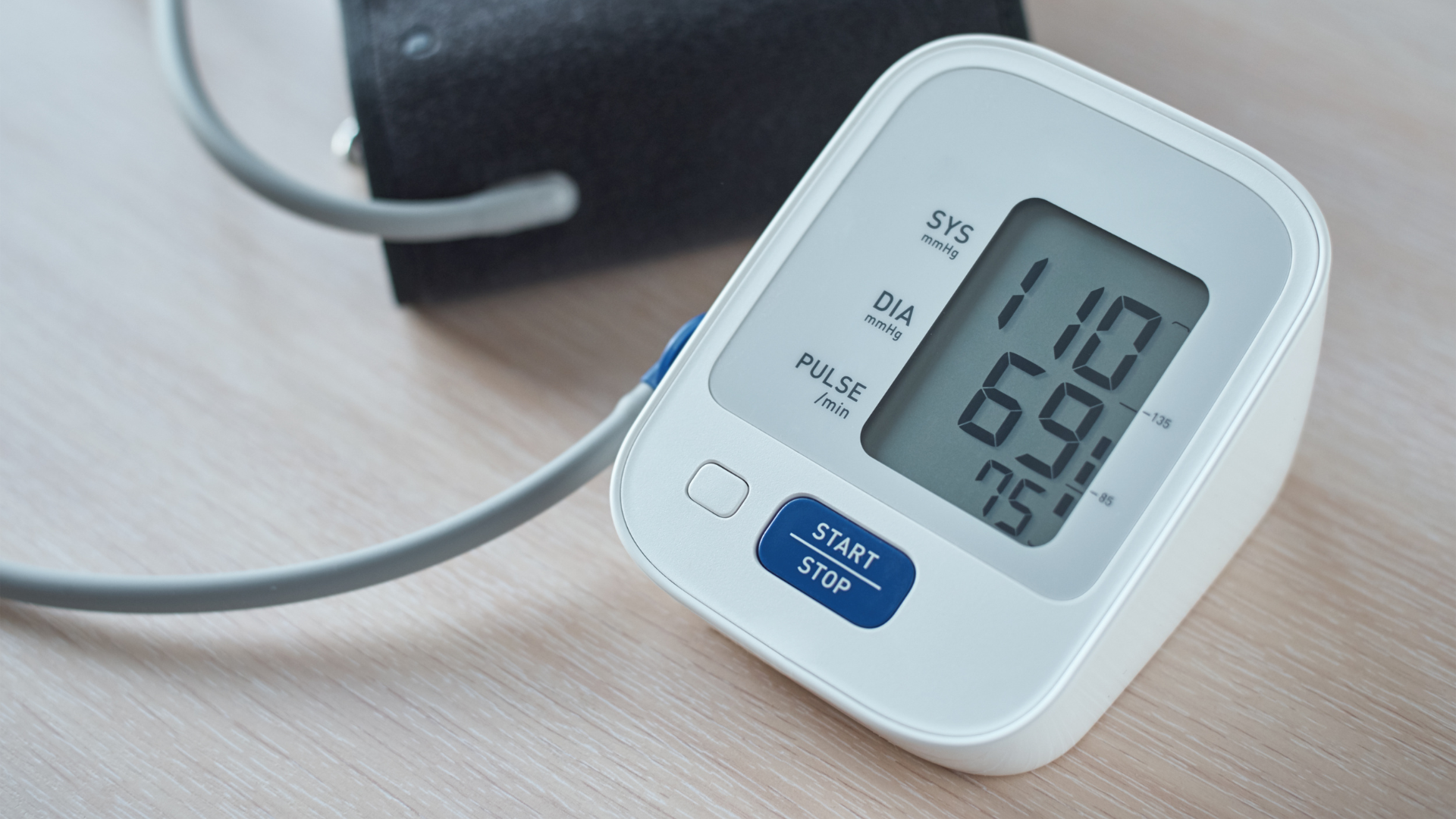
Blood pressure is a term that many people hear regularly during routine check-ups, yet few fully understand what it truly represents. It is one of the most important indicators of cardiovascular health and can offer insights into potential health risks long before symptoms appear. Despite its common measurement in medical settings, the nuances behind the numbers often remain unclear to patients and the general public. Understanding blood pressure is not merely about memorizing numbers; it involves grasping how these figures reflect the forces at work in the circulatory system and how they can affect long-term health.
In essence, blood pressure measures the force that circulating blood exerts on the walls of arteries. This force is essential for delivering oxygen and nutrients to organs and tissues throughout the body. However, when blood pressure consistently deviates from the normal range, it can place stress on the heart, blood vessels, and other organs. High or low blood pressure can signal underlying health problems or lifestyle issues that require attention. Therefore, learning to interpret blood pressure readings is crucial for proactive health management.
What Blood Pressure Numbers Mean
Blood pressure readings consist of two numbers, typically written as a fraction, such as 120/80 mmHg. Each number represents a different phase of the cardiac cycle. The top number, known as systolic pressure, measures the force in the arteries when the heart contracts and pumps blood. The bottom number, or diastolic pressure, measures the pressure in the arteries when the heart relaxes between beats. Both numbers provide essential insights into the functioning of the cardiovascular system.
Understanding the difference between systolic and diastolic pressure is key to interpreting readings accurately. Systolic pressure is generally considered the more critical number for assessing the risk of heart attack, stroke, and other cardiovascular events, especially in older adults. Diastolic pressure, on the other hand, is particularly relevant for younger individuals and can indicate issues related to arterial stiffness or resistance. Together, these two measurements offer a comprehensive snapshot of cardiovascular health.
It is important to note that blood pressure fluctuates throughout the day in response to factors such as physical activity, stress, sleep, and diet. Short-term variations are normal and generally not a cause for concern. However, persistent elevations or drops in blood pressure warrant further evaluation. Consistently high blood pressure, also known as hypertension, can damage arteries, increase the risk of heart disease, and affect kidney function. Low blood pressure, or hypotension, can lead to dizziness, fainting, and insufficient blood flow to vital organs.
Interpreting the Numbers
Medical guidelines categorize blood pressure readings into several ranges to help determine when intervention may be necessary. These categories are not arbitrary but are based on extensive research correlating blood pressure levels with cardiovascular risk. Understanding these classifications helps individuals and healthcare providers make informed decisions about lifestyle adjustments, medication, and ongoing monitoring.
The following list summarizes the common blood pressure categories:
- Normal: Systolic less than 120 mmHg and diastolic less than 80 mmHg. Individuals within this range typically have the lowest risk of heart disease.
- Elevated: Systolic between 120–129 mmHg and diastolic less than 80 mmHg. Lifestyle changes may help prevent progression to hypertension.
- Hypertension Stage 1: Systolic between 130–139 mmHg or diastolic between 80–89 mmHg. Medical evaluation and treatment may be recommended.
- Hypertension Stage 2: Systolic at least 140 mmHg or diastolic at least 90 mmHg. This stage usually requires medication alongside lifestyle modifications.
- Hypertensive Crisis: Systolic over 180 mmHg and/or diastolic over 120 mmHg. Immediate medical attention is necessary.
These categories provide a structured approach to interpreting blood pressure readings. They also underscore the importance of regular monitoring, as even modest elevations can have long-term implications if left unchecked. Lifestyle interventions such as dietary changes, physical activity, stress management, and avoiding tobacco and excessive alcohol are often the first line of defense against rising blood pressure.
Factors Affecting Blood Pressure
Blood pressure is influenced by a complex interplay of genetic, environmental, and behavioral factors. While some individuals may be predisposed to hypertension due to family history, lifestyle choices can significantly impact blood pressure levels. Diet, physical activity, stress, body weight, and sleep quality all contribute to the regulation of blood pressure. Recognizing these factors is crucial for both prevention and management of abnormal readings.
One of the most well-established contributors to high blood pressure is excessive sodium intake. Diets high in salt can cause the body to retain water, increasing the volume of blood and, consequently, the pressure against arterial walls. Conversely, diets rich in potassium, magnesium, and fiber can help lower blood pressure by promoting healthy vascular function and fluid balance. Similarly, regular physical activity strengthens the heart, improves arterial elasticity, and supports overall cardiovascular health.
Stress is another significant factor. Chronic stress can lead to sustained elevations in blood pressure due to increased production of stress hormones such as cortisol and adrenaline. Over time, these hormonal effects can contribute to arterial damage and heightened cardiovascular risk. Stress management techniques, including meditation, deep breathing exercises, and time spent in nature, can help mitigate these effects.
Other factors influencing blood pressure include age, sex, and underlying medical conditions. Blood pressure tends to rise with age due to natural arterial stiffening. Men are generally at higher risk of developing hypertension earlier in life, while women may see increased risk after menopause. Conditions such as diabetes, kidney disease, and sleep apnea are also closely linked to blood pressure abnormalities. Understanding the multifactorial nature of blood pressure helps individuals and healthcare providers tailor prevention and treatment strategies effectively.
Monitoring blood pressure at home can provide valuable information beyond occasional readings in a medical setting. Regular monitoring allows for identification of trends and early detection of potential problems. It also helps individuals assess the impact of lifestyle modifications, such as dietary changes or increased physical activity. Home blood pressure monitors are widely available and can offer reliable readings when used correctly.
Equally important is understanding how blood pressure interacts with other aspects of health. For example, blood pressure often correlates with cholesterol levels, body mass index (BMI), and blood glucose levels. High blood pressure rarely occurs in isolation; it is typically part of a broader metabolic and cardiovascular profile. Consequently, addressing blood pressure requires a holistic approach that considers diet, exercise, mental health, and medical history.
Regular check-ups with healthcare providers are essential for accurate assessment and management. Medical professionals can recommend appropriate interventions based on individual risk factors and overall health. For those already taking blood pressure medication, adherence to prescribed regimens is critical for maintaining control and preventing complications.
In addition to lifestyle and medical management, education about blood pressure is a powerful tool. Understanding what the numbers represent, why they fluctuate, and what factors influence them empowers individuals to take proactive steps toward cardiovascular health. Knowledge helps bridge the gap between a simple measurement and meaningful action.
In conclusion, blood pressure is more than just a pair of numbers; it is a vital indicator of cardiovascular health and overall well-being. Understanding the meaning behind systolic and diastolic readings allows individuals to interpret their own health metrics and take preventive or corrective measures. Persistent deviations from normal ranges, whether high or low, can signal underlying health concerns that require attention.
By considering the factors that influence blood pressure—such as diet, physical activity, stress, age, and medical conditions—individuals can take a proactive role in managing their cardiovascular health. Regular monitoring, lifestyle modifications, and medical guidance form a comprehensive approach to maintaining optimal blood pressure. Ultimately, the ability to understand and act upon blood pressure readings is a critical step in reducing the risk of heart disease, stroke, and other serious health complications. Knowledge empowers individuals to transform a routine measurement into a tool for lifelong health and wellness.