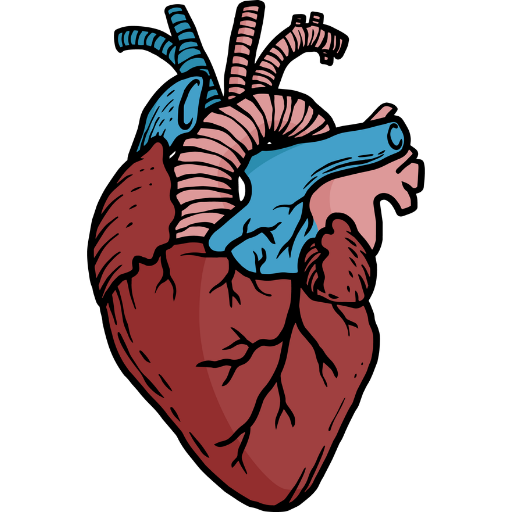
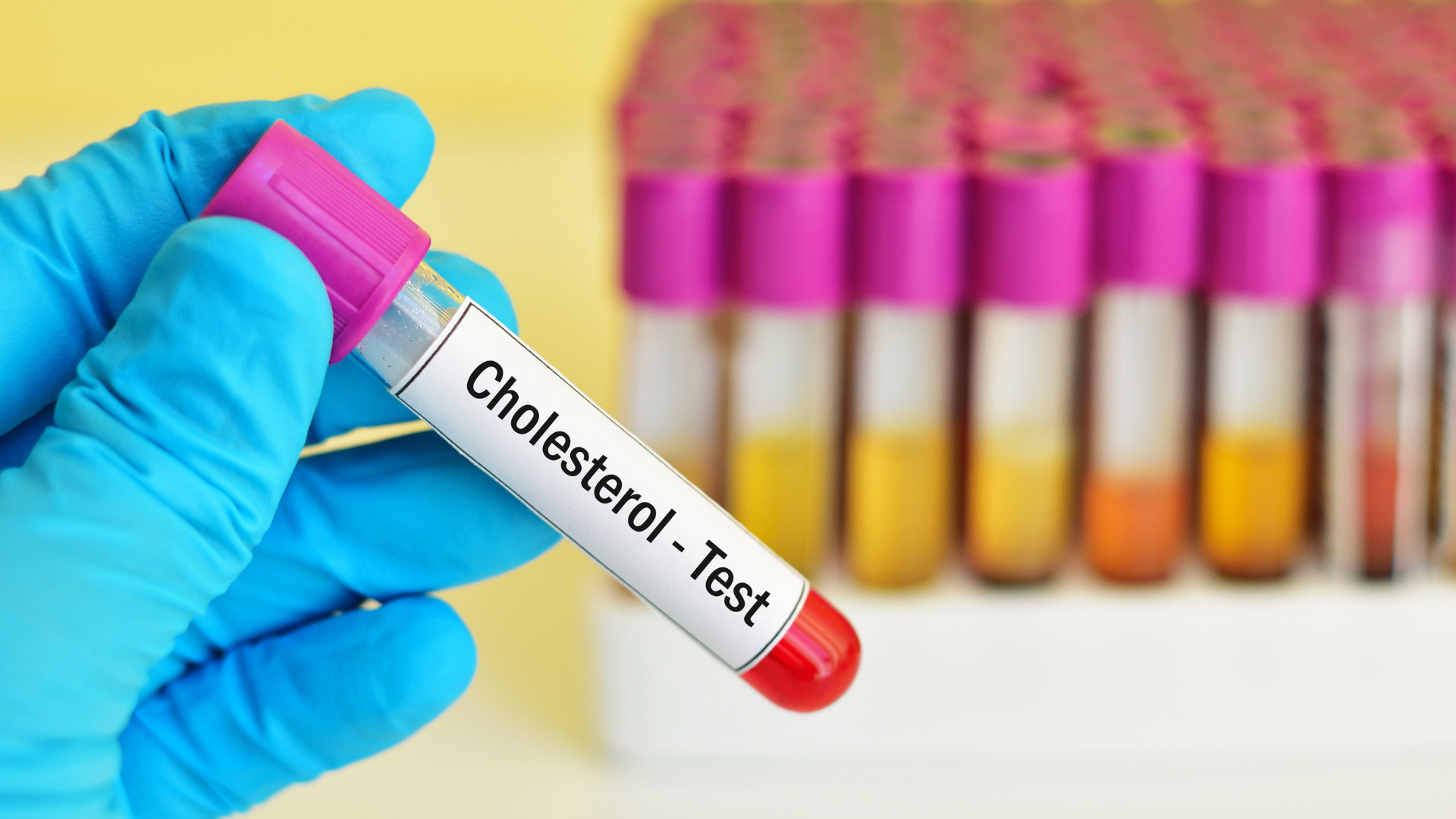
Maintaining healthy cholesterol levels is essential for overall heart health and longevity. High cholesterol, particularly low-density lipoprotein (LDL), increases the risk of cardiovascular diseases such as heart attacks and strokes. While medications are often prescribed to manage cholesterol, lifestyle and dietary changes can significantly improve your levels naturally. Over a dedicated six-week period, strategic adjustments can create measurable improvements in cholesterol and overall well-being.
Understanding cholesterol is the first step toward effective management. Cholesterol is a fatty substance found in the blood that the body needs to build cells and produce certain hormones. However, excess LDL cholesterol can accumulate in the walls of arteries, leading to atherosclerosis, while high-density lipoprotein (HDL) helps remove cholesterol from the bloodstream. Achieving a balance between LDL and HDL is crucial for cardiovascular health.
Week-by-Week Strategy for Lowering Cholesterol Naturally
Lowering cholesterol naturally involves a combination of diet, exercise, and lifestyle adjustments. These steps, when consistently followed over six weeks, can result in measurable improvements without the side effects often associated with medication.
Dietary Adjustments for Cholesterol Reduction
Diet plays a central role in cholesterol management. Incorporating certain foods while avoiding others can influence LDL and HDL levels significantly. Soluble fiber, healthy fats, and plant sterols are particularly effective at lowering LDL cholesterol.
One of the most effective dietary strategies is increasing soluble fiber intake. Foods rich in soluble fiber include oats, barley, legumes, and fruits such as apples and citrus. Soluble fiber binds to cholesterol in the digestive system and removes it from the body, thereby reducing blood cholesterol levels. Additionally, replacing saturated fats found in red meat and full-fat dairy products with unsaturated fats from olive oil, nuts, and fatty fish can help improve cholesterol balance.
Plant sterols and stanols, naturally found in fruits, vegetables, and fortified foods, also block cholesterol absorption in the gut. Including these in your diet can reduce LDL cholesterol by up to 10%. Limiting dietary cholesterol, often present in organ meats, egg yolks, and shellfish, is another key strategy. Although the body produces cholesterol naturally, dietary intake can influence overall levels.
To make these changes more actionable, consider the following weekly dietary plan.
| Week | Focus | Key Foods | Tips |
|---|---|---|---|
| 1 | Increase Soluble Fiber | Oats, apples, beans | Start each day with a bowl of oatmeal and add fruits to snacks |
| 2 | Introduce Healthy Fats | Olive oil, avocado, salmon | Replace butter with olive oil and aim for 2 servings of fatty fish per week |
| 3 | Limit Saturated Fats | Lean meats, low-fat dairy | Swap red meat for chicken or legumes; use low-fat dairy alternatives |
| 4 | Add Plant Sterols | Fortified spreads, nuts, vegetables | Include plant sterol-enriched products daily |
| 5 | Emphasize Fruits & Veggies | Berries, leafy greens, citrus | Aim for 5–7 servings per day |
| 6 | Maintain Consistency | All of the above | Continue balanced meals, monitor portion sizes, and track progress |
Following this table provides a structured approach to gradually adjusting eating habits without feeling overwhelmed. By focusing on one main change each week, you are more likely to adopt sustainable habits that improve cholesterol naturally.
Lifestyle Changes to Complement Diet
Beyond diet, lifestyle factors such as physical activity, weight management, and stress reduction significantly impact cholesterol levels. Even moderate exercise can raise HDL (good cholesterol) while lowering LDL (bad cholesterol). Activities such as brisk walking, cycling, swimming, or resistance training performed for at least 150 minutes per week are recommended.
Maintaining a healthy weight is another crucial factor. Excess body fat, particularly around the waist, is strongly linked to higher LDL levels and lower HDL. Even a 5–10% reduction in body weight can improve cholesterol profiles substantially. Combining exercise with dietary adjustments amplifies the effect, leading to faster improvements.
Stress management also plays a subtle but important role. Chronic stress can trigger hormonal changes that affect cholesterol metabolism. Techniques such as meditation, deep breathing, yoga, or even short daily walks can reduce stress levels and indirectly contribute to better cholesterol management.
Additionally, quitting smoking and limiting alcohol consumption can improve cholesterol and overall cardiovascular health. Smoking lowers HDL levels, while excessive alcohol can increase triglycerides. Making these changes alongside dietary and exercise adjustments ensures a holistic approach to naturally lowering cholesterol.
Tracking progress over six weeks is important for motivation and assessment. Measuring cholesterol levels before and after the program, along with monitoring weight, energy levels, and other health markers, provides tangible feedback. Consistency is key, and even small changes accumulate to create significant long-term benefits.
In conclusion, lowering cholesterol naturally in six weeks is achievable through a structured plan that combines dietary changes, physical activity, and lifestyle improvements. By focusing on soluble fiber, healthy fats, plant sterols, and regular exercise, while managing weight and stress, you can significantly improve cholesterol levels without relying solely on medications. Adopting these habits not only improves heart health but also promotes overall wellness and vitality.